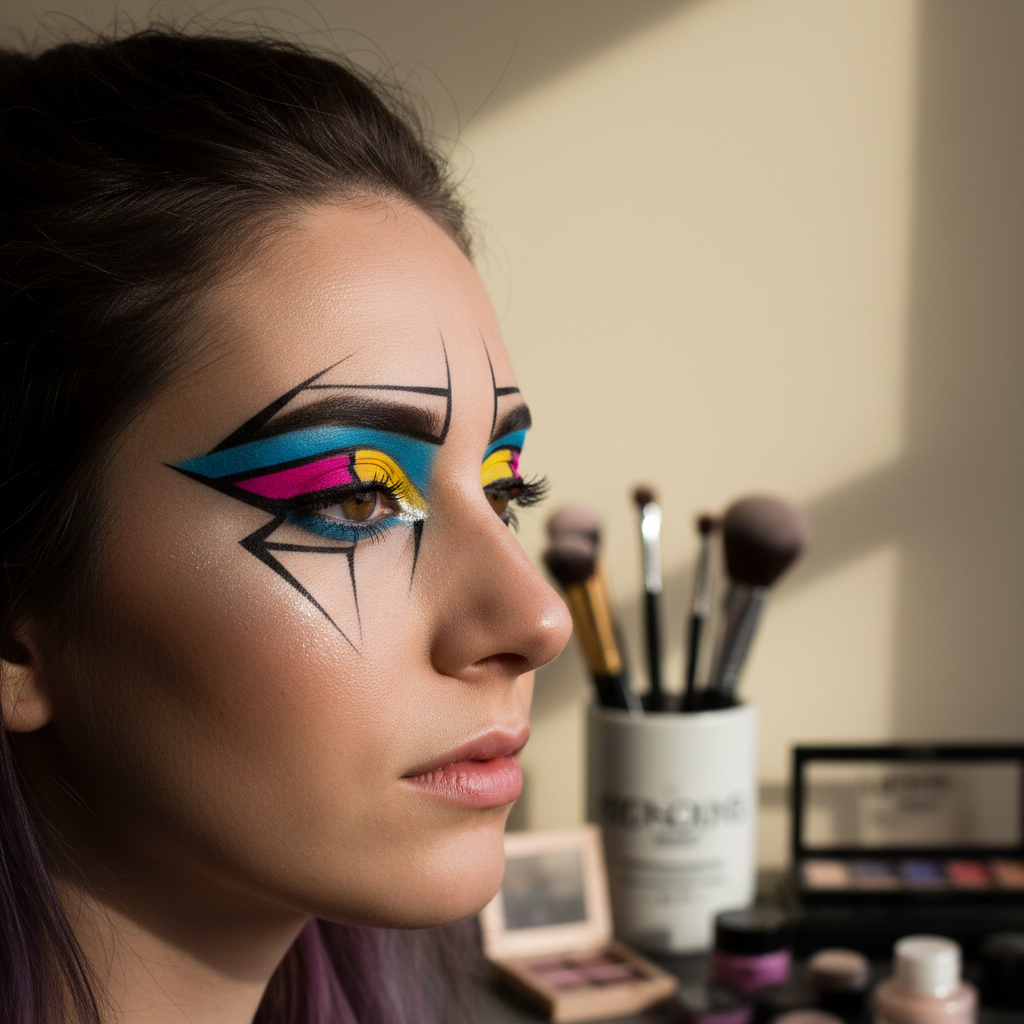
DIY Makeup Tips for Beginners: Pro Advice from a Silverspring MUA

Understanding Your Skin
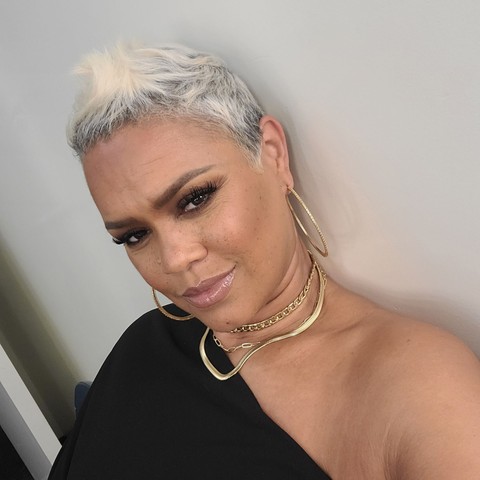
Before diving into the world of makeup, it's crucial to understand your skin type. Is it oily, dry, or combination? Knowing this will help you choose the right products. Oily skin benefits from mattifying primers, while dry skin needs hydrating foundations. Identifying your skin type is the first step to flawless makeup application.
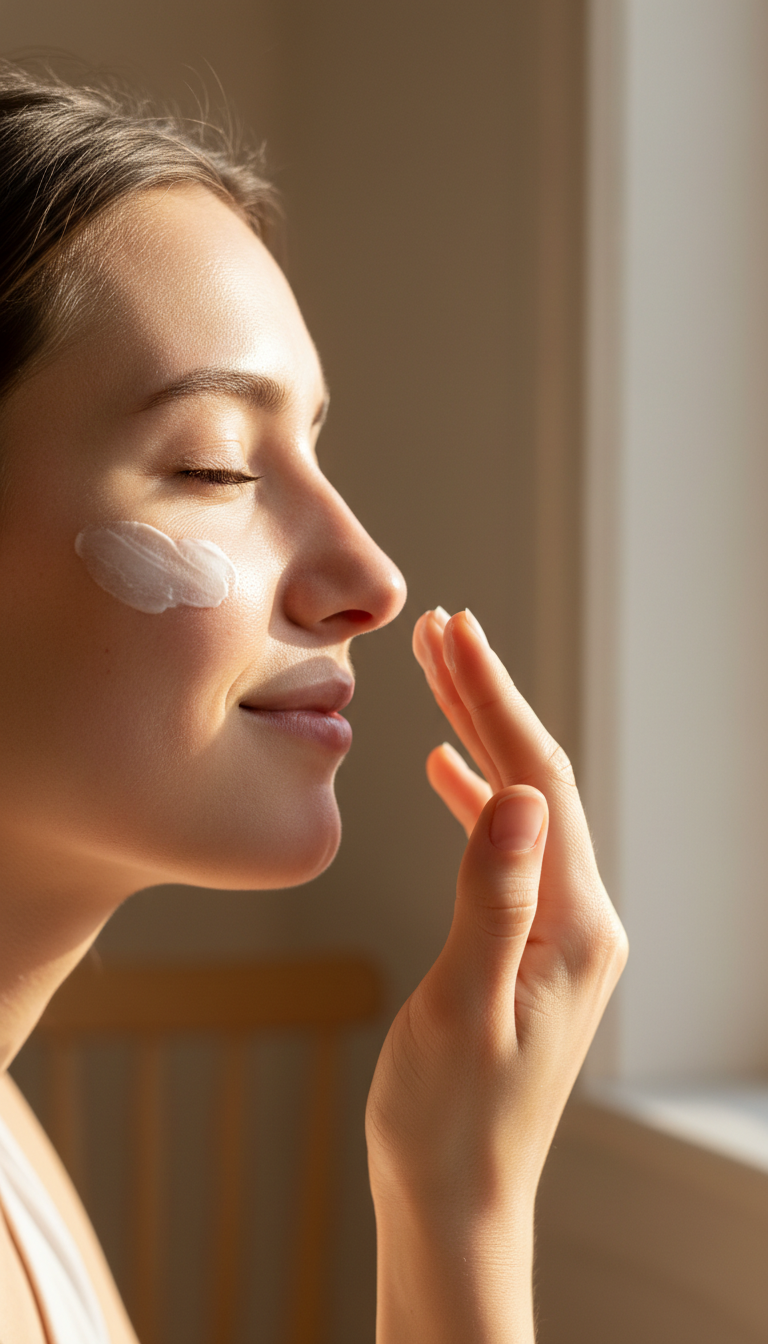
Once you know your skin type, invest in a good skincare routine. Cleanse, moisturize, and apply sunscreen daily. A well-prepped face ensures that makeup sits beautifully and lasts longer.
Essential Tools and Products
As a beginner, you don't need a plethora of products. Start with the basics: foundation, concealer, eyeliner, mascara, blush, and lip color. Choose products that suit your skin tone and type. Opt for a lightweight foundation or BB cream to create a natural look.
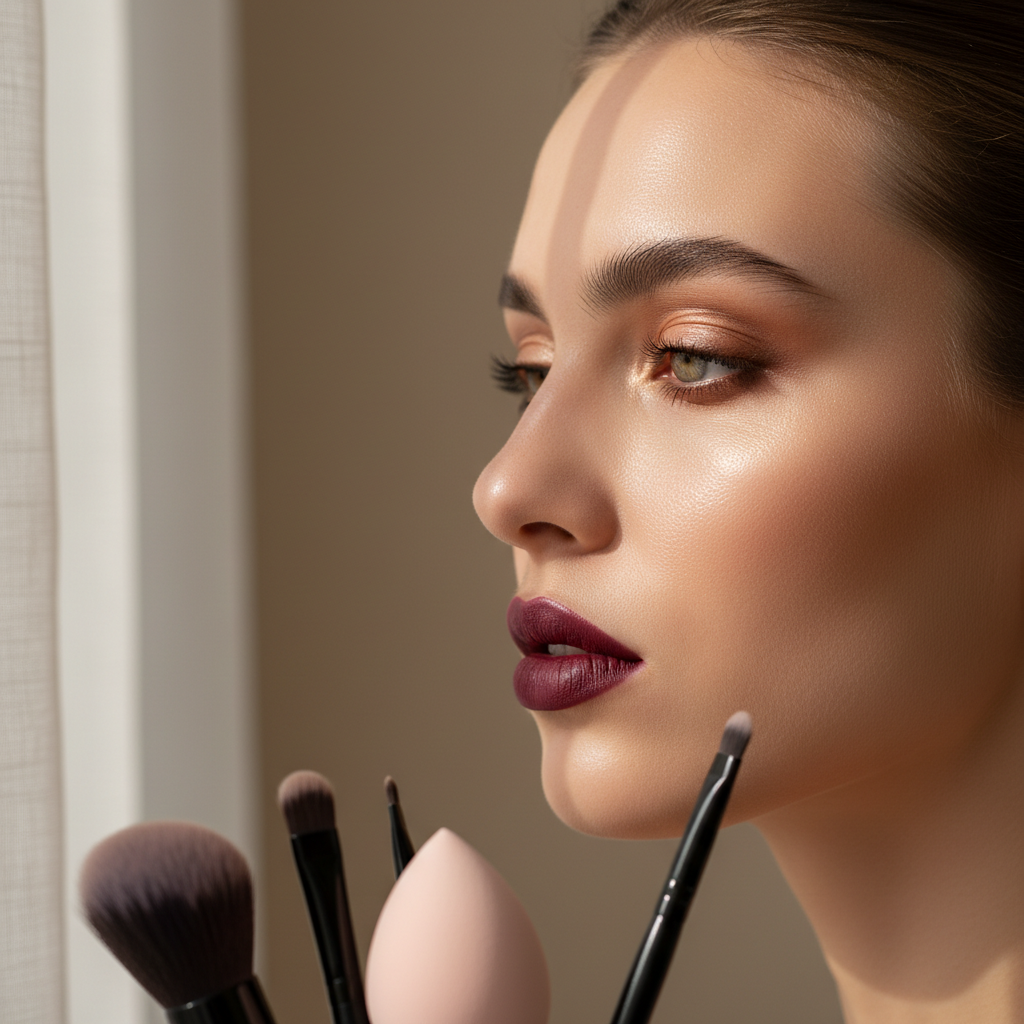
Investing in quality brushes and sponges is equally important. A good set of brushes can make application easier and more precise. Look for a foundation brush, blush brush, and an eyeshadow brush to start.
Foundation Application
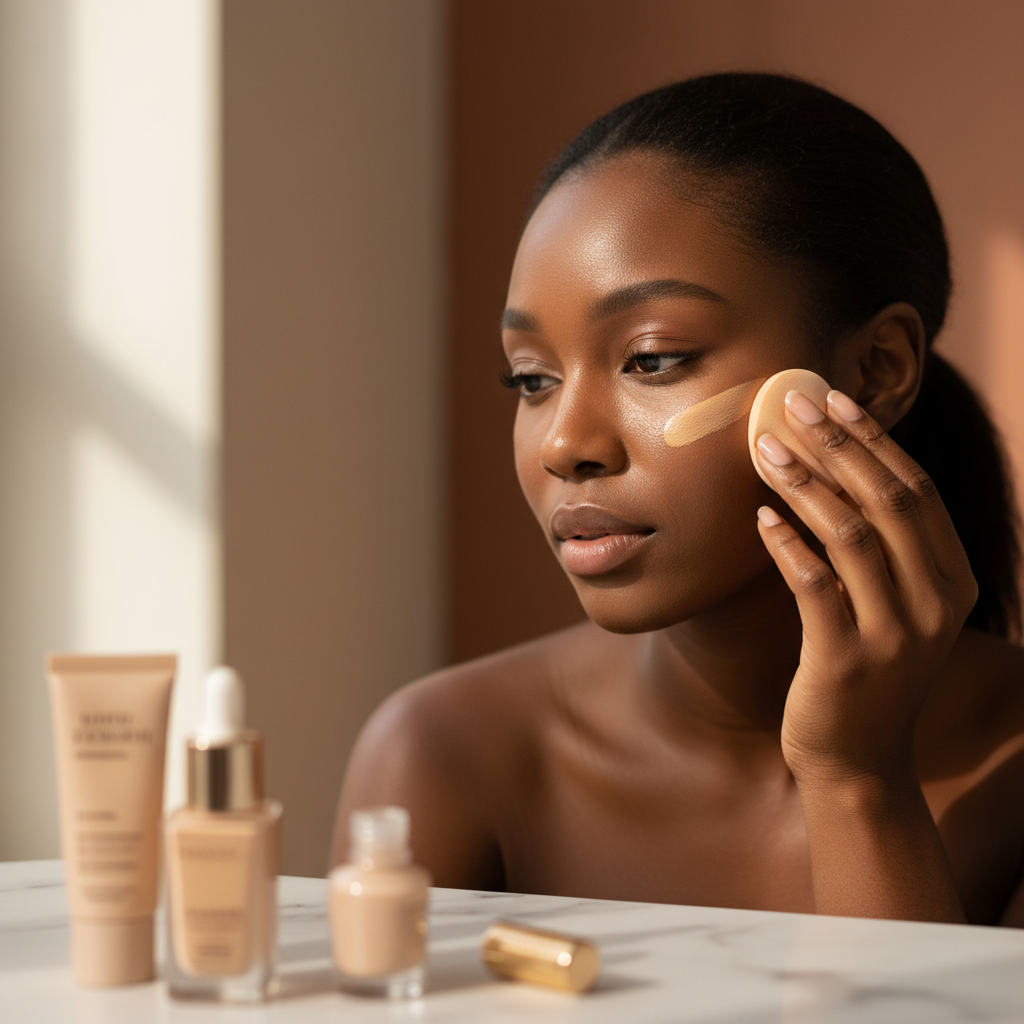
One of the most common challenges for beginners is applying foundation evenly. Start with a small amount and build up coverage as needed. Use a damp sponge or a foundation brush for a smooth finish. Remember to blend down your neck to avoid harsh lines.
Concealer is your best friend for hiding blemishes and under-eye circles. Apply it after foundation for a seamless look. Use a shade lighter than your foundation for a brightening effect.
Perfecting the Eyes
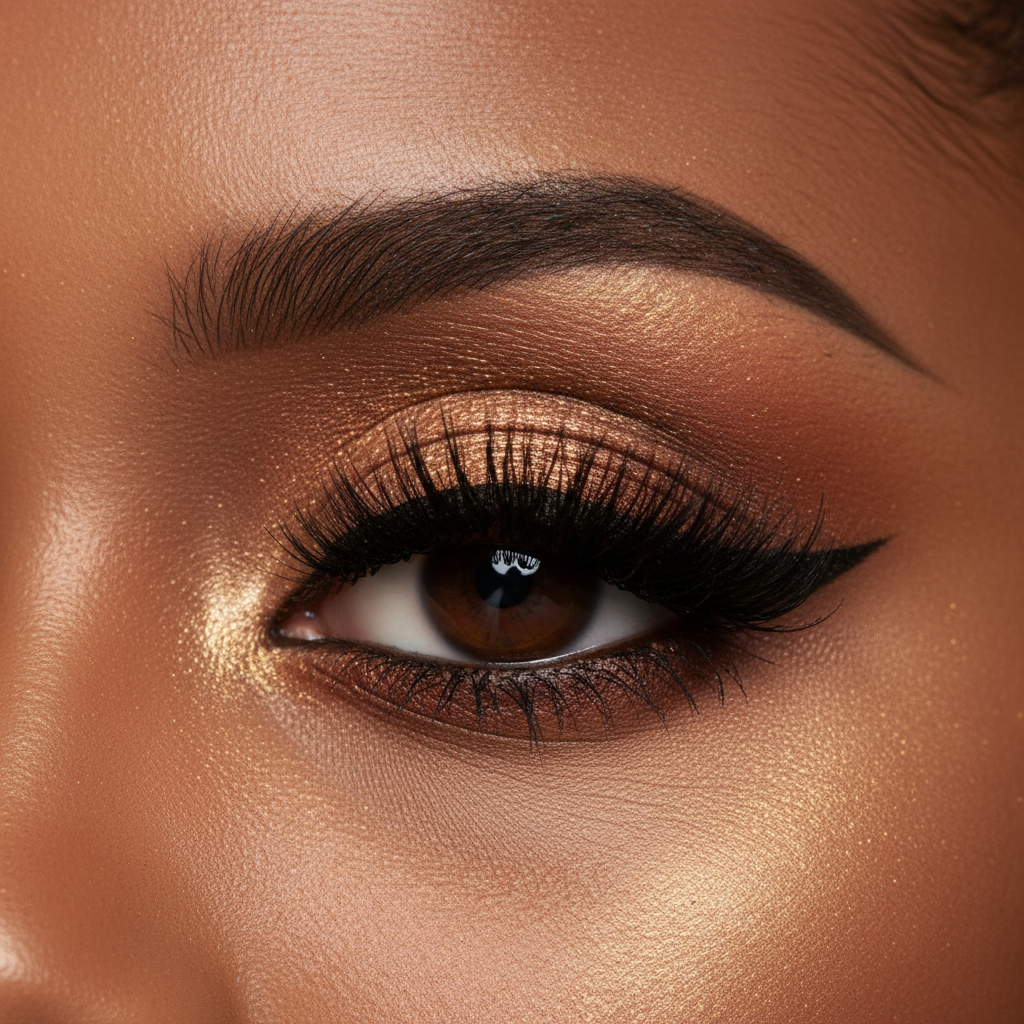
For eye makeup, simplicity is key. Start with a neutral eyeshadow palette. Apply a light shade over the entire lid and a slightly darker shade in the crease for depth. Blend well to avoid harsh lines.
Eyeliner can define your eyes beautifully. Beginners might find a pencil liner easier to control than liquid. Start with a thin line close to the lashes and build up as you gain confidence.
Lip Color Basics
Choosing the right lip color can enhance your entire look. For beginners, nude and soft pink shades are versatile and easy to wear. As you become more comfortable, experiment with bolder colors.
To make your lipstick last longer, apply a lip liner in a matching shade first. This also helps prevent the color from feathering.
Practice and Experimentation
Makeup is an art, and practice makes perfect. Spend time experimenting with different looks and techniques. Watch tutorials and read tips from professional makeup artists to learn new skills.
Remember, makeup is about expressing yourself and having fun. Don't be afraid to try new things and find what works best for you.