Breaking Down Common Myths About the Beauty Industry


Understanding the Truth Behind Beauty Product Claims
The beauty industry is often shrouded in myths and misconceptions, many of which stem from marketing claims that promise miraculous results. However, it's crucial to understand that not all claims are backed by science. For instance, while some products boast "all-natural" ingredients, this doesn't always equate to being more effective or safer. In fact, synthetic ingredients are often tested more rigorously.
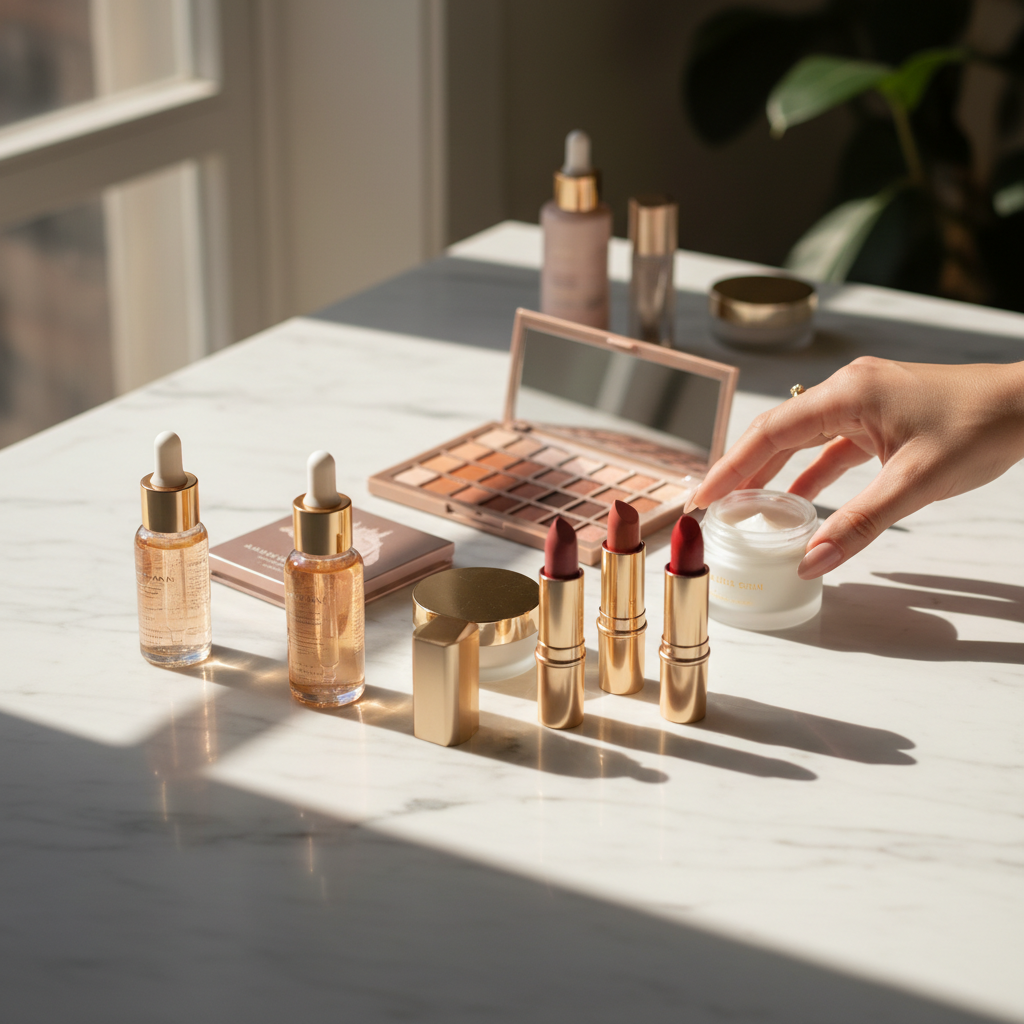
Before purchasing, it's important to research and verify any claims. Look for products that have been dermatologically tested or have certifications from recognized bodies. Such validation helps ensure that you are investing in something that is both safe and effective for your skin type.
Debunking the Myth of "One Size Fits All"
One of the most persistent myths in the beauty industry is the idea that a single product can work for everyone. This simply isn't true. Skin types can vary greatly, and what works for one person may not work for another. It's essential to understand your own skin's needs and choose products accordingly.
Consulting with a dermatologist can provide personalized advice. They can help you identify your skin type and recommend products that cater specifically to your needs, ensuring better results and healthier skin.
Exploring the Real Cost of Beauty
Many believe that higher-priced beauty products are inherently better. While price can sometimes reflect quality, it's not a definitive indicator. Some affordable products offer excellent results and are formulated with high-quality ingredients.
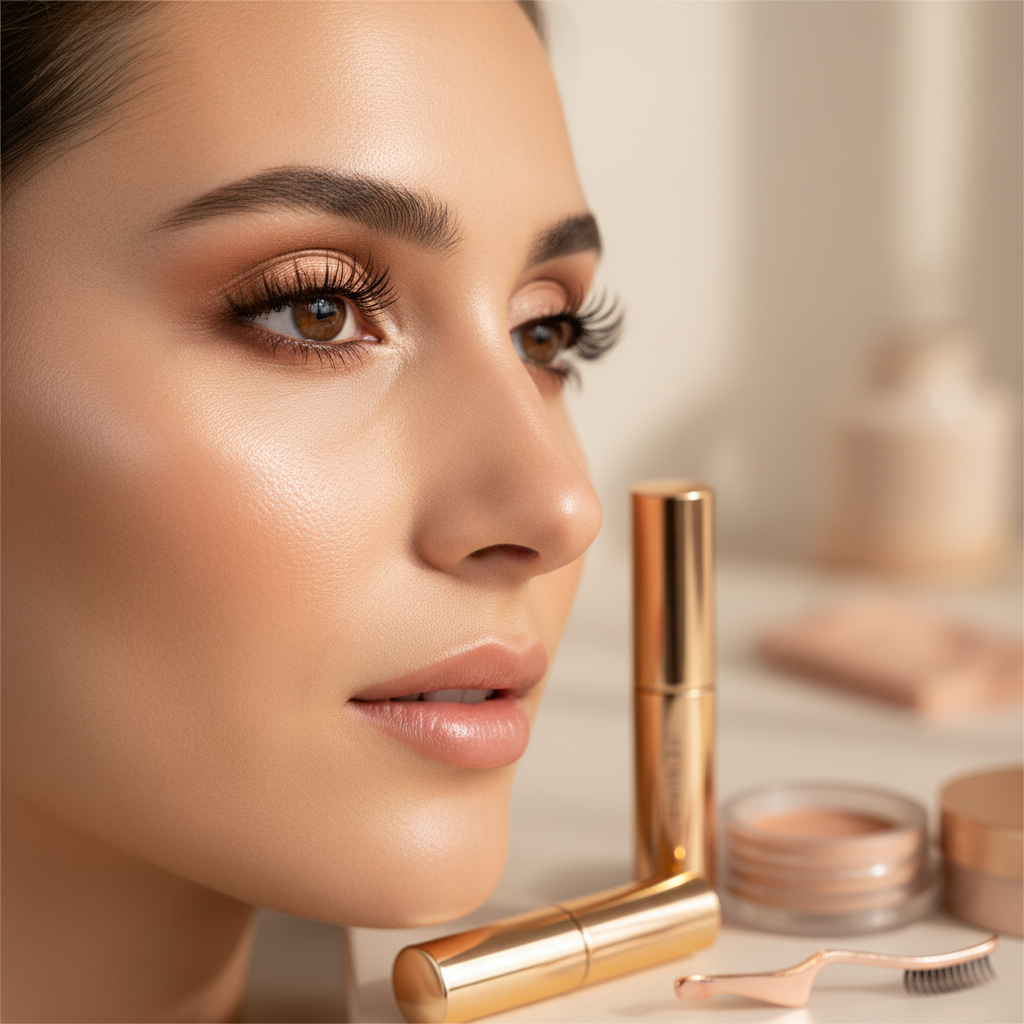
Rather than focusing solely on price, pay attention to the ingredients and reviews from other users. Sometimes, a well-reviewed, budget-friendly product can outperform its expensive counterparts. It's about finding the right balance between cost and efficacy.
Understanding "Organic" and "Chemical-Free" Labels
Terms like "organic" and "chemical-free" are often used to attract consumers looking for healthier options. However, it's important to note that "chemical-free" is a misleading term, as everything, including water, is made of chemicals. The key is to look for products free of harmful chemicals like parabens and sulfates.
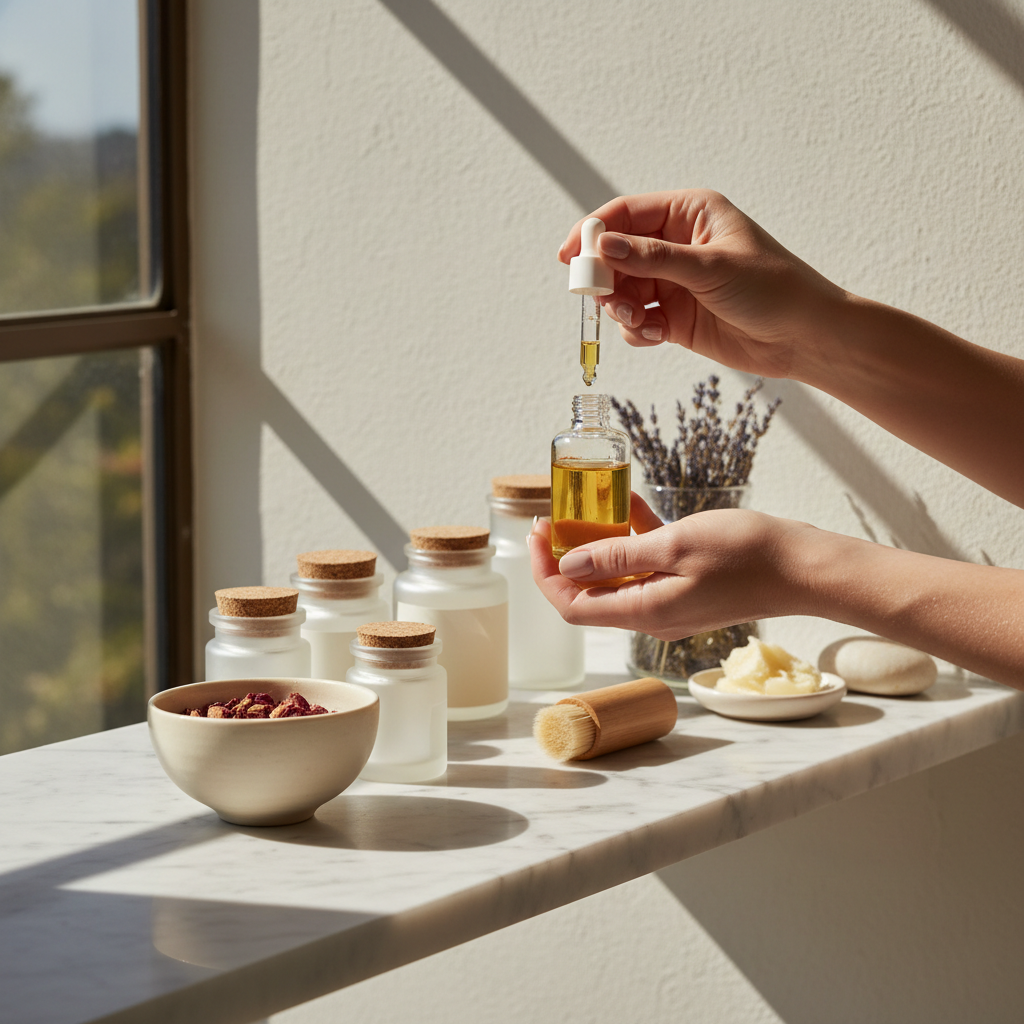
Organic certifications can provide some assurance, but they don't automatically mean the product is better for your skin. Always read ingredient lists and understand what each component does for your skin health.
Conclusion: Making Informed Beauty Choices
Breaking down these common myths helps consumers make informed decisions in the beauty industry. By understanding the facts behind marketing claims, skin type needs, and ingredient efficacy, you can choose products that truly benefit your skin and wallet. Remember, beauty is not just about aesthetics—it's about health and well-being too.
With the right knowledge, you can navigate the beauty industry with confidence, ensuring that your skincare routine is both effective and personalized to your needs.