5 Common Mistakes New Makeup Artists Make and How to Avoid Them

Overlooking Skin Preparation
One of the most common mistakes new makeup artists make is neglecting proper skin preparation. A well-prepared canvas is crucial for a flawless makeup application. Without it, even the best products can fall short. Ensure to cleanse, exfoliate, and moisturize the skin before applying makeup. This process helps in achieving a smooth and long-lasting finish.
How to Avoid This Mistake
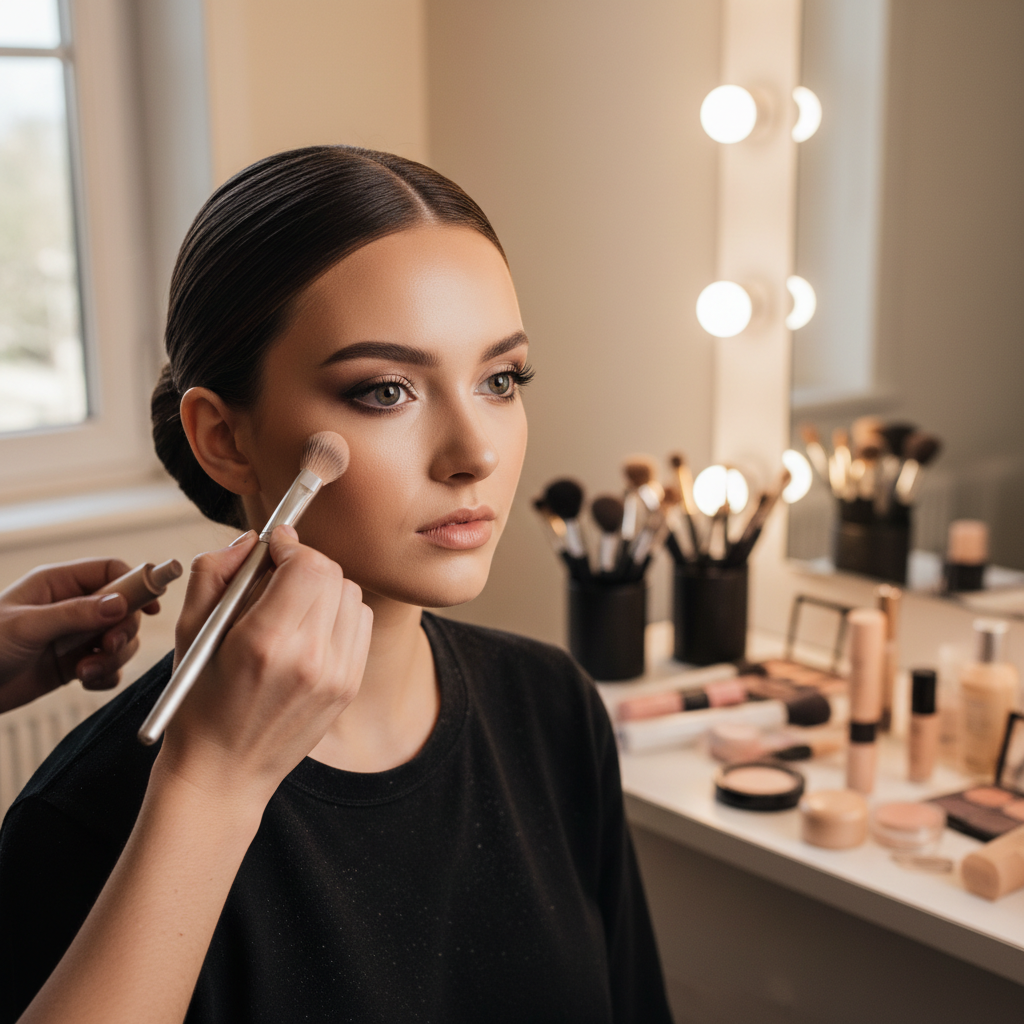
Incorporate a skin preparation routine into your makeup sessions. Use products suited for your client's skin type and always start with a clean face. A primer can also be beneficial in creating a seamless base for foundation.
Choosing the Wrong Foundation Shade
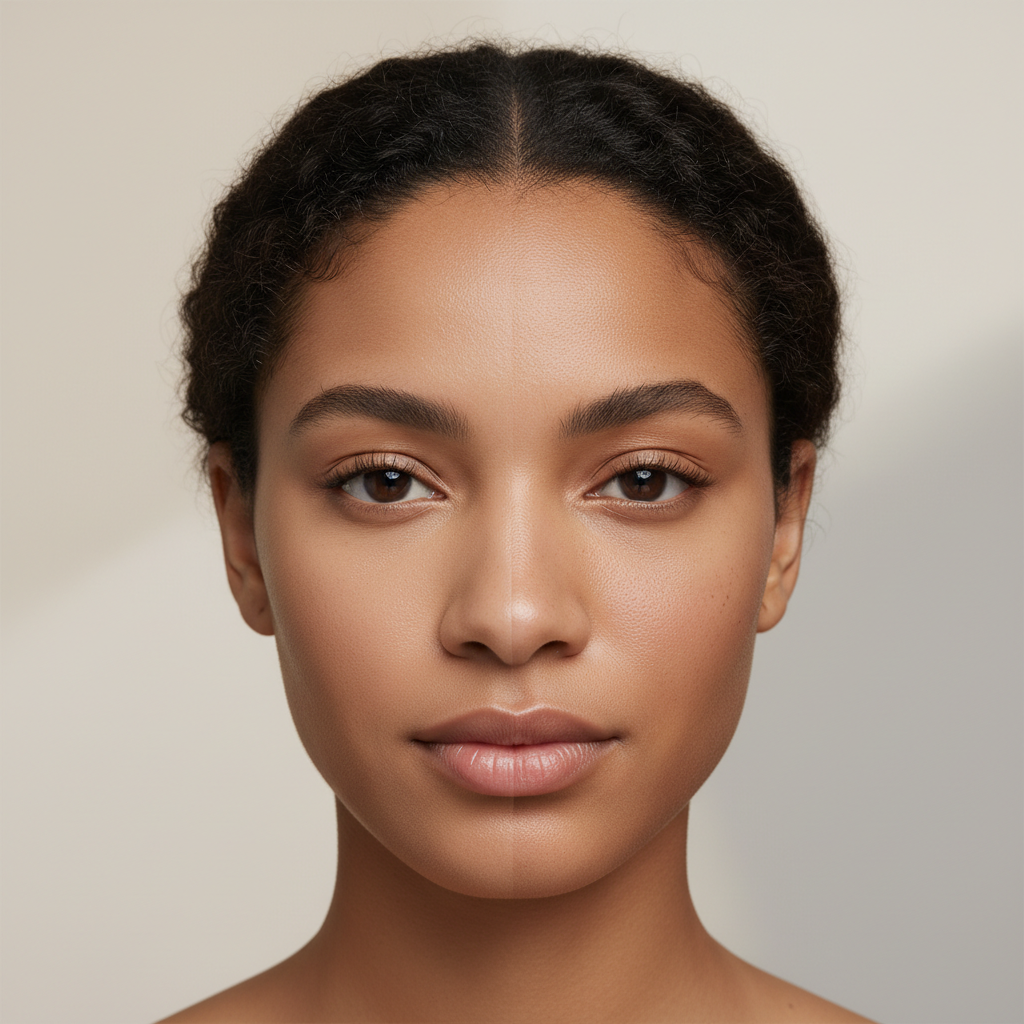
Selecting the correct foundation shade is crucial for a natural look. New makeup artists often choose shades that are either too light or too dark, resulting in an unnatural appearance. Understanding undertones and testing shades in natural light can make a significant difference.
Tips for Correct Shade Matching
Test foundation shades on the jawline rather than the hand or wrist. Natural light provides the most accurate color representation, so step outside if possible. Don't hesitate to mix shades to achieve the perfect match for your client.
Ignoring the Power of Blending
Blending is an essential skill in makeup artistry. Harsh lines can ruin the overall look, making it appear unpolished. New artists sometimes underestimate the importance of blending eyeshadows, contours, and blushes.
Blending Techniques
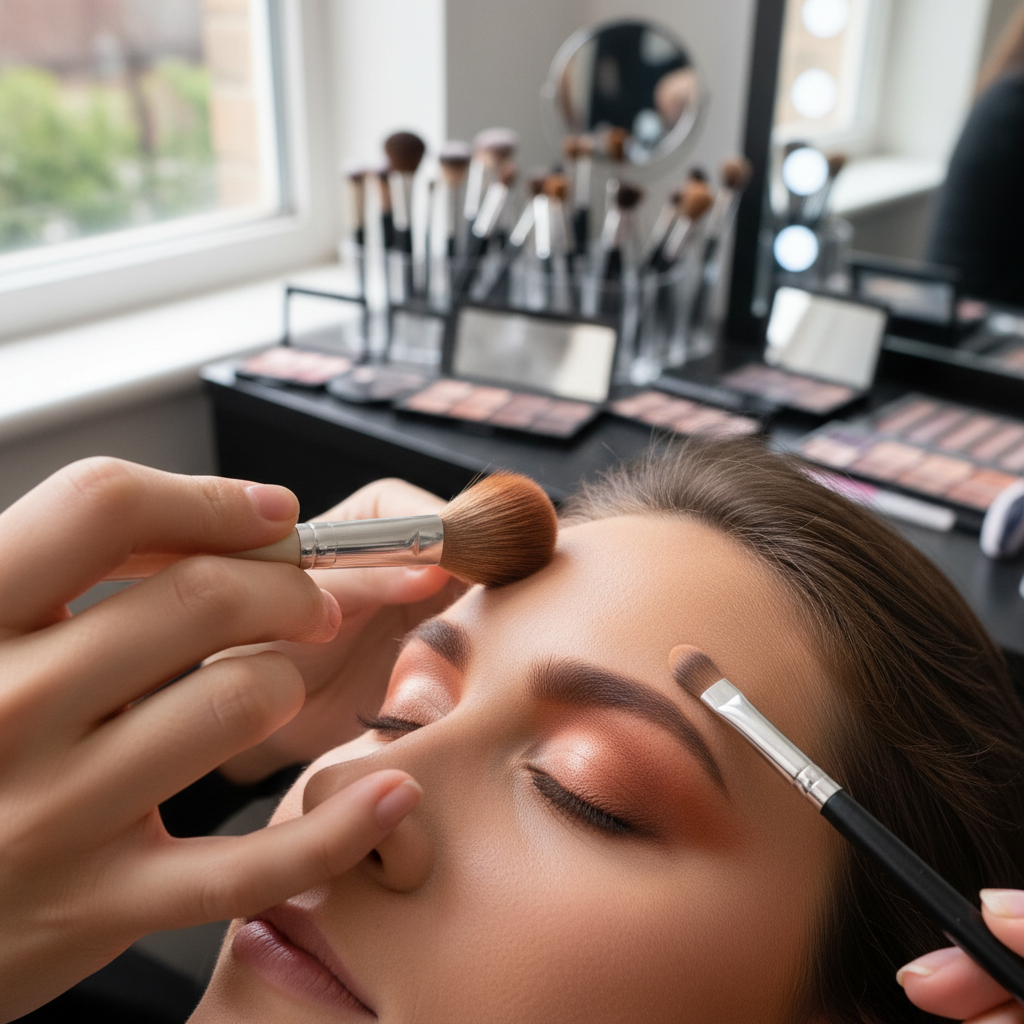
Invest in quality brushes and sponges designed for blending. Take your time to diffuse colors seamlessly into each other, creating a natural transition. Practicing various techniques will enhance your skills over time.
Using Too Much Product
More isn't always better when it comes to makeup. Over-applying products can lead to a cakey appearance and discomfort for the client. Striking the right balance is key to a fresh and natural look.
How to Use the Right Amount
Start with a small amount and build up if necessary. This approach allows for more control and prevents the makeup from looking heavy. Remember, you can always add more, but removing excess product is more challenging.
Neglecting Hygiene Practices
Good hygiene is non-negotiable in makeup artistry. Failing to maintain clean tools and products can lead to skin irritations and infections. New artists sometimes overlook this aspect, focusing solely on the creative side.
Hygiene Tips for Makeup Artists
Regularly clean brushes and sponges using appropriate cleansers. Sanitize hands before each session and avoid double-dipping into products. These practices not only protect your clients but also maintain your professional reputation.